How Restaurants Can Present Menus Without Guesswork
Imagine a diner, eyes scanning a menu, a slight furrow in their brow. They’re trying to piece together dish descriptions, understand portion sizes, or decipher ambiguous ingredients. This moment of uncertainty, however brief, is a lost opportunity for your restaurant. In today’s competitive culinary landscape, where convenience and clarity reign supreme, presenting your menu without guesswork isn’t just about good service; it’s about optimizing the entire dining experience, driving satisfaction, and ultimately, boosting your bottom line.
For too long, restaurants have approached menu presentation with a “print it and forget it” mentality. But the modern diner, armed with smartphones and high expectations, demands more. They crave transparency, personalization, and an effortless journey from selection to savoring. This article will guide you through practical strategies and actionable tips, helping you transform your menu from a source of potential confusion into a powerful tool for engagement and sales.
Understanding the Modern Diner’s Menu Expectations
Before we dive into solutions, let’s first acknowledge the evolving landscape of diner expectations. It’s no longer enough to simply list items and prices. You’re dealing with a sophisticated audience, and their interaction with your menu begins long before they step foot in your establishment.
The Pre-Dining Research Phase
- Online Presence is Paramount: Most diners will check your menu online before visiting. If your digital menu is outdated, difficult to navigate, or lacks crucial information, you’re already losing potential customers.
- Dietary Needs as a Decision-Maker: Allergies, dietary restrictions (gluten-free, vegan, vegetarian, dairy-free), and health-conscious choices are no longer niche. Diners expect to easily identify options that cater to their needs.
- Visual Appeal Matters: High-quality photos of your dishes, even if not on the main menu, play a significant role in building anticipation and aiding decision-making.
In-Restaurant Experience Drivers
- Clarity and Conciseness: Overly verbose descriptions or an overwhelming number of options can lead to decision fatigue. Diners want to quickly grasp what’s available.
- Upselling and Cross-Selling Opportunities: A well-designed menu subtly guides diners towards premium options, perfect pairings, and tempting add-ons without feeling aggressive.
- Storytelling and Brand Reinforcement: Your menu is an extension of your brand. It should communicate your restaurant’s unique identity, values, and culinary philosophy.
Crafting a Digital Menu That Shines
Your website and online profiles are often the first interaction a potential customer has with your menu. This digital representation must be intuitive, comprehensive, and enticing.
Optimize for Mobile First
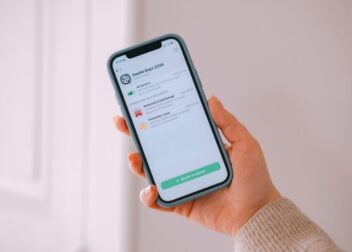
- Responsive Design is Non-Negotiable: A significant percentage of online menu views occur on smartphones. Ensure your digital menu adapts seamlessly to smaller screens, with easy-to-read text and clickable elements.
- Dedicated Menu Page: Avoid embedding PDFs directly onto your website. While convenient for you, PDFs are often clunky on mobile, difficult to zoom, and unsearchable. Instead, create a dedicated, interactive menu page.
- Clear Navigation: Make it effortless for users to jump between sections (e.g., Appetizers, Entrees, Desserts, Drinks) without endless scrolling.
Rich Descriptions and Visuals
- Descriptive, Not Just Declarative: Instead of “Chicken Pasta,” try “Creamy Tuscan Chicken Pasta with Sun-Dried Tomatoes, Spinach, and a Parmesan Cream Sauce.” Focus on key ingredients, flavor profiles, and preparation methods.
- Highlight Star Ingredients: If you use locally sourced produce, artisanal cheeses, or unique spices, mention them. This adds perceived value and tells a story.
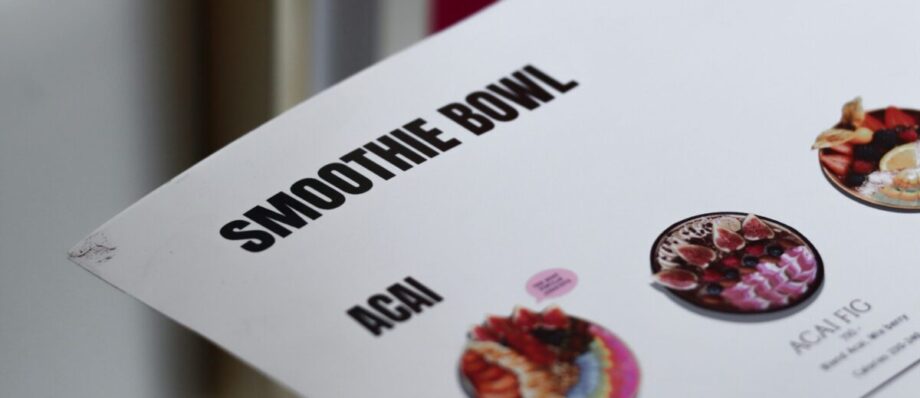
- High-Quality Photography (When Applicable): While not every menu item needs a photo, a curated selection of your most popular or visually appealing dishes can significantly enhance interest. Professional food photography is an investment that pays dividends.
Integrating Dietary Information Seamlessly
- Clear Icons and Labels: Use universally recognized icons (e.g., “V” for Vegetarian, “GF” for Gluten-Free) next to each relevant menu item. Avoid ambiguous symbols.
- Hover-Over or Click-Through Details: For more complex dietary needs, offer a brief pop-up or linked page with detailed ingredient lists or preparation notes for specific dishes.
- Dedicated Filter Options: Allow diners to filter your online menu by dietary restriction (e.g., “Show me all vegan options”). This empowers them to quickly find what they can eat.
Designing a User-Friendly Physical Menu
While digital menus are crucial, the physical menu in your restaurant remains a tactile and powerful branding tool. Its design, layout, and content directly impact the in-restaurant dining experience.
Layout and Readability for Effortless Scanning
- Logical Grouping: Organize your menu into intuitive categories (e.g., Appetizers, Salads, Soups, Main Courses, Sides, Desserts, Beverages). Within categories, consider grouping by protein type or preparation method.
- Strategic Use of White Space: Don’t cram too much information onto a single page. Ample white space makes the menu feel less overwhelming and easier on the eyes.
- Font Choice and Size: Opt for legible fonts that reflect your brand’s aesthetic. Ensure the font size is appropriate for diverse vision needs, avoiding overly small or decorative scripts.
- Highlighting Key Items: Use bolding, slightly larger fonts, or a subtle box to draw attention to your signature dishes, chef’s specials, or highest-margin items.
Beyond Text: Visual Cues and Storytelling
- Controlled Use of Imagery: While a few high-quality photos can be effective, avoid an “album” approach that makes the menu look cluttered. Focus on one or two show-stopping images per section.
- “Chef’s Recommendations” or “Our Favorites”: Subtly guide diners by indicating popular dishes or staff picks. This can reduce decision paralysis.
- Brief Origin Stories: For unique ingredients, specialty dishes, or cocktails, a very short, engaging story can add intrigue and perceived value. E.g., “Our heirloom tomatoes are sourced from Smith Family Farms, just 10 miles away.”
Pricing Transparency and Value Perception
- Clear Pricing: List prices clearly next to each item. Avoid ambiguous pricing structures or hidden costs.
- Currency and Decimals: Be consistent with your currency format and decimal usage.
- Strategic Placement of High-Margin Items: Research shows that items placed at the top right or within a “sweet spot” in the middle of a page tend to be noticed more. Use this understanding strategically.
- Value-Oriented Descriptions: Emphasize the quality of ingredients, the complexity of preparation, or the generous portion sizes to justify pricing.
Leveraging Technology for Dynamic Menu Presentation
Technology offers exciting avenues to enhance menu presentation, offering flexibility, personalization, and real-time updates that traditional menus simply cannot.
Digital Tablet Menus
- Interactive and Dynamic: Tablets allow for high-resolution images, video clips of dishes, and detailed ingredient lists with a simple tap.
- Real-Time Updates: Easily mark items as “sold out,” update daily specials, or adjust pricing instantly without reprinting.
- Multi-Language Support: Cater to diverse clientele by offering menus in multiple languages at the touch of a button.
- Personalized Recommendations: With integrated POS systems, tablets could potentially offer personalized recommendations based on past orders or stated preferences.
QR Code Menus: Bridging Physical and Digital
- Hygiene and Convenience: QR codes became ubiquitous during the pandemic, offering a touch-free way to access menus. Their convenience has ensured their longevity.
- Cost-Effective Updates: Eliminate printing costs for daily specials or minor menu changes. Simply update the online version linked to the QR code.
- Analytics Potential: Some QR code platforms can provide insights into which menu items are viewed most frequently, helping you optimize your offerings.
- Beyond the Menu: QR codes can also link to your social media, reservation system, or loyalty program, creating a more integrated experience.
Integrating with Online Ordering and Delivery Platforms
- Consistency Across Channels: Ensure your menu on third-party delivery apps (e.g., Uber Eats, DoorDash) is identical in pricing, descriptions, and availability to your in-house and website menus. Inconsistencies lead to frustration and negative reviews.
- Optimizing for Delivery: Consider adding specific notes for delivery items, such as “Best enjoyed immediately” or instructions for reheating.
- Highlighting Popular Delivery Items: Use the analytics from these platforms to promote dishes that perform well for off-premise dining.
Empowering Your Staff as Menu Experts
Even the most perfectly designed menu can fall short if your staff isn’t equipped to interpret it and engage with diners. Your team are the front-line ambassadors of your culinary offerings.
Comprehensive Menu Training
- Ingredient Knowledge: Every server should know the key ingredients in each dish, including potential allergens. Regular quizzes or tasting sessions can reinforce this.
- Preparation Methods: Understanding how dishes are cooked helps staff answer questions about texture, flavor, and health considerations (e.g., “Is the salmon pan-seared or baked?”).
- Flavor Profiles and Pairings: Train staff to articulate the taste experience of a dish and suggest appropriate beverage pairings (wine, cocktails, non-alcoholic options).
- Understanding Upselling Opportunities: Guide staff on how to subtly recommend appetizers, desserts, or premium ingredients without being pushy.
Equipping Staff with Tools and Resources
- Allergen Matrix: Provide a clear, easy-to-reference chart listing common allergens present in each dish. This reduces guesswork and improves safety.
- Daily Specials Cheat Sheet: For items not on the main menu, provide staff with a concise sheet outlining ingredients, pricing, and any special notes.
- Taste Tests: Encourage staff to regularly taste new dishes and even existing menu items to ensure they can confidently describe them.
Encouraging Proactive Engagement
- Anticipate Questions: Train staff to proactively offer information that diners commonly ask for, such as “Our roasted chicken is quite popular and comes with a side of seasonal vegetables.”
- “What are you in the mood for?”: Instead of “What can I get you?”, encourage staff to engage with open-ended questions that help narrow down choices and offer personalized recommendations.
- Handle Special Requests Gracefully: Equip staff with clear guidelines on how to accommodate modifications, dietary restrictions, and special requests, escalating to the kitchen team when necessary.
Analyzing and Evolving Your Menu Strategy
A menu is not a static document; it’s a living, breathing component of your restaurant that should evolve based on feedback, trends, and performance.
Utilizing Data for Informed Decisions
- Point of Sale (POS) System Analytics: Your POS system is a treasure trove of data. Analyze sales reports to identify your most popular dishes, least popular items, and highest-margin offerings.
- Customer Feedback: Actively solicit feedback on your menu through comment cards, online reviews, and direct conversations. Pay attention to recurring questions or suggestions.
- Website and Digital Menu Analytics: Track views on different menu sections, clicks on specific items, and use of dietary filters to understand online behavior.
Regular Menu Audits and Updates
- Periodical Review: Schedule regular (e.g., quarterly or semi-annual) reviews of your entire menu. Assess item profitability, popularity, and ease of preparation.
- Seasonal Adjustments: Embrace seasonal ingredients. Updating your menu to reflect seasonal availability not only offers fresh, flavorful dishes but also showcases your commitment to quality.
- Responding to Trends: Keep an eye on culinary trends (e.g., plant-based options, global flavors, specific health-conscious ingredients) and consider incorporating them where appropriate without deviating from your core identity.
A/B Testing for Optimization
- Experiment with Descriptions: For online menus, test different descriptions for the same dish to see which ones generate more interest or conversions.
- Pricing Experiments: Carefully test subtle price adjustments on certain items to observe the impact on sales and profitability.
- Layout Variations: For physical menus, if feasible, test different layouts or highlighting techniques on a small scale to see which drives better engagement.
By embracing these strategies, restaurants can move beyond simply listing dishes and prices. You can transform your menu into a powerful communication tool that educates, excites, and ultimately, eliminates guesswork for your diners. A clear, well-presented menu doesn’t just reduce friction; it enhances the overall dining experience, builds trust, and fosters loyalty, ensuring your guests leave satisfied and eager to return.
FAQs
1. Why is it important for restaurants to present menus without guesswork?
It is important for restaurants to present menus without guesswork to provide a clear and easy-to-understand dining experience for their customers. Confusing or unclear menus can lead to frustration and dissatisfaction, potentially impacting the overall dining experience.
2. What are some ways restaurants can present menus without guesswork?
Restaurants can present menus without guesswork by using clear and concise language, organizing menu items in a logical manner, providing detailed descriptions of dishes, and using visual aids such as photos or illustrations to help customers make informed choices.
3. How can restaurants accommodate dietary restrictions and preferences on their menus?
Restaurants can accommodate dietary restrictions and preferences on their menus by clearly labeling dishes with common allergens, offering customizable options, and providing alternative menu items for customers with specific dietary needs, such as vegetarian or gluten-free options.
4. What role does menu design play in presenting menus without guesswork?
Menu design plays a crucial role in presenting menus without guesswork by influencing how customers perceive and navigate the menu. Clear typography, strategic use of white space, and intuitive layout can help guide customers through the menu and make informed decisions.
5. How can technology be utilized to enhance the presentation of menus in restaurants?
Restaurants can utilize technology to enhance the presentation of menus by offering digital menus with interactive features, such as filtering options for dietary preferences, allergen information, and the ability to customize dishes. Additionally, digital menus can be updated in real-time to reflect changes in menu offerings.